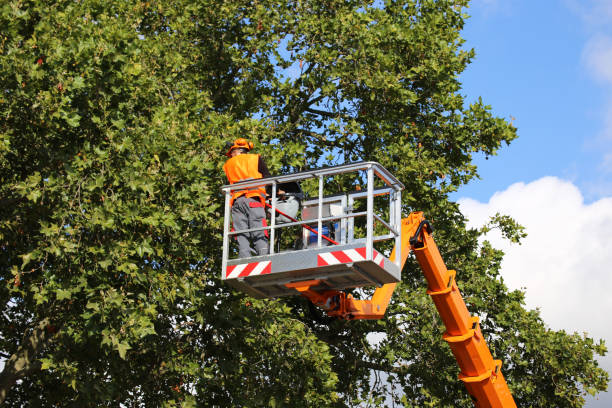
Proper tree care is crucial to maintaining the health, safety, and aesthetic appeal of your landscape. One critical aspect of tree maintenance is pruning, but how can you tell when your tree requires immediate attention? Below are various signs and indicators that suggest your tree may need urgent pruning.
Visible Dead or Diseased Branches
One of the most common signs that a tree needs immediate pruning is the presence of dead or diseased branches. These branches: – Appear brittle or dry – May lack bark or have peeling bark – Show signs of decay, such as fungal growth or discoloration
Diseased branches can spread infections to other parts of the tree if not removed promptly. Removing them improves the overall health of the tree and prevents further damage.
Cracked or Splitting Branches
Structural issues within the tree often manifest as cracked or splitting branches. These can pose serious safety hazards, especially if they are large limbs located near homes, sidewalks, or roads. Regular inspections can help identify these issues before they lead to falling branches.
Overhanging Branches Causing Obstructions
Branches that have grown too close to buildings, windows, power lines, or pathways may require immediate attention. Such growth not only poses risks to structures but also compromises public safety. Pruning overhanging limbs reduces these risks and ensures unobstructed movement around your property.
Evidence of Pest Infestation
Signs that pests have invaded your tree include: – Holes in leaves or bark caused by boring insects – Sticky residue on leaves indicating the presence of sap-sucking pests like aphids – Webbing created by spiders or caterpillars
Pest-infested branches often weaken a tree’s overall structure. Immediate pruning can remove affected areas and minimize further damage caused by pests.
Storm Damage After Extreme Weather Events
Severe weather conditions like high winds, heavy snow, ice storms, and lightning strikes can leave trees damaged and vulnerable: – Broken limbs hanging precariously from trees should be addressed right away. – Large debris entangled in branches could create additional stress on structural integrity.
Trees impacted by storms should be assessed quickly for necessary pruning to restore their stability and prevent future hazards.
Excessive Canopy Density Blocking Sunlight
A dense canopy might look lush but could hinder sunlight from reaching lower parts of the tree as well as nearby plants. This may lead to stunted growth due to lack of photosynthesis. Pruning helps thin out overgrown areas for better light penetration and air circulation.
Quick Reference Table: When to Call a Tree Removal Company Palm Bay FL
| Sign | Why It Requires Attention |
| Dead/Diseased Branches | Prevents spread of disease; improves health |
| Cracked/Splitting Branches | Avoids potential safety hazards |
| Overhanging Limbs | Reduces damage risk to structures and people |
| Pest Infestation | Removes diseased areas; minimizes pest spread |
| Storm Damage | Restores structural stability; avoids falling debris |
| Dense Canopy | Improves light penetration and air circulation |
When Professional Services Are Necessary
While minor pruning tasks like trimming small dead twigs can sometimes be handled independently, larger problems often require professional expertise. Certified arborists are equipped with tools and knowledge to safely assess structural issues while ensuring proper techniques are used for pruning damaged trees.
Paying attention to these critical warning signs allows you to maintain a healthy landscape while preventing potential accidents or property damage associated with neglected trees. Proper timing in addressing these needs ensures both long-term health and aesthetics for your greenery.
Essential Signs You Need an Arborist in Palm Bay FL for Tree Pruning
Proper tree maintenance is essential to ensure the health, safety, and longevity of your trees. While regular pruning can often be handled by homeowners, certain situations demand professional attention. Knowing when your tree requires expert care can save you time, money, and potential hazards down the line. Below are some key indicators that your tree may need professional pruning services.
1. Overgrown or Unbalanced Canopy
- Excessive branch density: When branches become overcrowded, sunlight and airflow are restricted, which can lead to poor growth and diseases.
- Unbalanced growth: If one side of the canopy appears heavier than the other or if limbs are leaning disproportionately, it may pose a risk to structural integrity.
- Obstructed views or pathways: Overhanging branches that block roads, windows, or walkways often require skilled trimming for safe clearance.
2. Dead or Dying Branches
Deadwood not only detracts from the appearance of a tree but also poses safety risks: – Falling hazard: Weak or dead branches can break off during storms or high winds. – Pest infestation: Decaying wood attracts insects and fungi that could spread to healthy parts of the tree.
Addressing deadwood removal is best left to professionals who can assess whether surrounding branches are at risk.
3. Signs of Disease or Pest Infestation
Diseased trees often display visible symptoms that require professional diagnosis: – Wilting leaves despite adequate watering. – Discolored foliage (e.g., yellowing or browning). – Fungus growth on bark or roots (e.g., mushrooms at the base). – Unexplained holes in branches caused by boring insects like beetles.
Arborists have specialized tools and knowledge to identify infections properly and recommend solutions for recovery.
4. Branches Near Power Lines
Trees growing near power lines present serious safety concerns: – Direct contact with electrical wires increases fire hazards. – Proximity issues may cause power outages during storms.
Trimming such trees is dangerous and should always be handled by certified arborists trained in working safely around utility infrastructure.
5. Storm Damage
Severe weather events such as hurricanes or ice storms often leave trees with broken limbs or structural damage. After a storm: – Inspect for hanging branches (“widowmakers”) that could fall unexpectedly. – Check for cracks in major limbs that compromise stability.
Professional services are crucial in these cases because they employ techniques like cabling and bracing to restore damaged trees when possible.
Table: Solutions Offered by Tree Pruning Service Palm Bay FL
| Tree Condition | Professional Service Needed |
| Dense canopy | Selective thinning for improved airflow |
| Deadwood | Safe removal using specialized equipment |
| Signs of disease (e.g., fungus) | Diagnosis followed by targeted treatment |
| Branches near power lines | Precision trimming while ensuring safety |
6. Tree Growth Interference
Sometimes a tree’s natural growth begins interfering with structures such as roofs, fences, or neighboring vegetation: – Limbs touching buildings can damage gutters, siding, and shingles over time. – Crowding between multiple trees may restrict their individual development.
Hiring a professional ensures careful pruning without harming property or nearby greenery.
Regular tree inspections help identify problems early on before they escalate into costly repairs or dangerous scenarios. If you notice any of these indicators on your property, contacting a professional arborist ensures effective solutions while preserving the overall health and beauty of your landscape.
Signs You May Need Tree Removal Palm Bay FL Services for Your Trees
Regular pruning is essential for maintaining the health, safety, and appearance of your trees. However, certain situations require immediate attention from a professional arborist. Below are some key signs that indicate your tree may need professional pruning services.
1. Overgrown Branches Interfering with Structures or Utilities
- Branches that extend toward power lines, rooftops, or windows pose potential hazards.
- Overgrown limbs can obstruct driveways, walkways, or interfere with outdoor lighting.
- Trees encroaching on structures can lead to property damage during storms or high winds.
2. Dead or Diseased Limbs
The presence of dead, decaying, or diseased branches serves as a clear indicator of the need for pruning: – Dead branches: These are brittle and lack foliage during growing seasons. – Diseased branches: Visible signs include discoloration, fungal growths, and unusual bark textures. – Leaving such limbs untreated can spread diseases to other parts of the tree or nearby vegetation.
3. Canopy Density Blocking Light and Airflow
A dense canopy can prevent sunlight from filtering through and reduce air circulation: – Poor light penetration inhibits healthy photosynthesis in lower branches. – Insufficient airflow encourages moisture buildup, which fosters fungal diseases like powdery mildew.
Signs of excessive canopy density include: | Symptom | Impact | |————————–|—————————————–| | Sparse grass/plant growth beneath the tree | Indicates blocked sunlight | | Increased pest activity | Dense foliage provides shelter for pests | | Stunted lower branch growth | Lack of sunlight and nutrients |
4. Storm Damage
After severe weather events such as heavy winds, ice storms, or hurricanes: – Look for cracked branches or split trunks. – Hanging limbs (also called “widowmakers”) pose significant safety risks and should be removed promptly.
5. Unusual Growth Patterns
Irregular growth patterns may compromise tree structure over time: – Crossing branches: Limbs rubbing against each other can cause wounds that invite pests and diseases. – Leaning trees: A pronounced lean could indicate root instability; pruning may help balance weight distribution.
6. Excessive Sap Production
Excessive sap dripping from specific areas might signal stress caused by pests (e.g., borers) or infections like bacterial wetwood. While sap production is natural to an extent depending on the species, notable increases should be evaluated by a professional arborist.
Benefits of Hiring Professional Tree Pruning Services
- Safety Assurance
Certified professionals have the skills to navigate complex situations involving tall trees near structures or utilities. - Proper Equipment Usage
Arborists use specialized tools like pole pruners and aerial lifts to perform precise cuts without damaging healthy tissue. - Comprehensive Health Assessment
A trained expert evaluates overall tree health during pruning sessions—offering insights into potential issues before they worsen.
By recognizing these key indicators early on and seeking professional assistance when needed, you help improve not only your tree’s vitality but also its aesthetic appeal while ensuring a safe environment for those around it.

Understanding the Hazards of Delaying Necessary Tree Pruning
Tree pruning is essential for maintaining the health, safety, and longevity of trees. When pruning is delayed, it can lead to a variety of hazards that negatively impact not only the tree itself but also the surrounding environment. By addressing necessary pruning in a timely manner, these risks can be minimized or completely avoided. Below are some of the key hazards associated with postponing tree pruning and why action should not be delayed.
Increased Risk of Falling Branches
- Property Damage: Broken limbs may damage roofs, vehicles, fences, or electrical infrastructure.
- Injury Risks: Falling debris poses a potential hazard to anyone walking or working near the tree.
- Legal Liability: Property owners may face legal repercussions if their negligence leads to injuries or property damage caused by falling branches.
Pest Infestations and Diseases
- Overall health decline in the affected tree.
- Increased chances of disease transmission to nearby vegetation.
- Costly pest control measures that could have been avoided through preventative maintenance.
Structural Instability
| Consequence | Impact |
| Uneven Canopy Growth | May cause trees to lean dangerously in one direction over time. |
| Weak Forks in Branch Structure | Can lead to splitting under stress from wind, snow, or heavy rain. |
| Reduced Wind Resistance | Dense foliage makes trees more likely to uproot during storms. |
Obstructed Visibility and Accessibility
Overgrown branches can block visibility along driveways, sidewalks, and roadways, creating potential hazards for drivers and pedestrians alike. Pruning delays may also obstruct access routes needed for emergency responses such as fire trucks or utility maintenance crews.
Impact on Surrounding Plants
When left unchecked, an overgrown tree’s canopy can overshadow other plants in its vicinity. This excessive shading reduces sunlight availability for grass, shrubs, flowers, and smaller trees growing beneath it—ultimately stunting their growth.
Why Timely Tree Pruning Matters
- Maintains an aesthetically pleasing landscape.
- Minimizes costly repairs caused by preventable structural issues.
- Reduces risks associated with pests and disease outbreaks.
By scheduling regular inspections with professional arborists or certified tree surgeons, you ensure that potential issues are detected early before they escalate into major problems requiring extensive intervention.
A Guide to Seasonal Considerations for Effective Tree Pruning
Pruning trees at the right time of year is crucial for their health, growth, and long-term sustainability. Understanding seasonal considerations ensures you avoid unnecessary stress on your trees while maximizing their structural stability and aesthetic appeal. Below is a guide to help you navigate tree pruning through various seasons.
The Importance of Timing in Tree Pruning
- Wound healing efficiency.
- Pest and disease prevention.
- Flowering and fruit production.
- Overall tree vitality.
Winter Pruning: Optimal Time for Most Trees
- The absence of foliage provides better visibility of the tree’s structure.
- Dormant pruning minimizes sap loss and reduces the risk of pest infestations or diseases entering fresh cuts.
- Encourages robust growth in spring when the tree reactivates its energy reserves.
- Remove dead or diseased branches to prevent decay from spreading.
- Shape the tree for improved structure without interfering with active growth cycles.
Spring Pruning: Proceed with Caution
Early spring is a sensitive period for most trees as they transition from dormancy to growth. Prune sparingly during this time to avoid disrupting energy reserves needed for new leaves and buds.
- Remove weak or damaged branches caused by winter storms.
- Thin overcrowded areas if airflow or sunlight penetration is severely blocked.
- Avoid Over-Pruning: Excessive pruning in early spring can hinder flowering or fruit production in certain species like cherry or magnolia trees.
Summer Pruning: For Maintenance and Safety
Pruning during summer focuses on maintenance tasks rather than heavy structural changes. This season is particularly effective for addressing issues that may pose safety risks.
- Helps manage overly long branches that could become hazardous during storms.
- Slows down rapid growth in species that develop excessively large canopies.
- Remove suckers (undesirable shoots) at the base of the trunk or along branches.
- Trim water sprouts (vigorous vertical shoots) that disrupt branch distribution.
Fall Pruning: Use Sparingly
Fall is generally not recommended for heavy pruning activities, as cuts made during this time may heal poorly due to slowed tree activity before dormancy sets in. Additionally, fungal diseases are often more prevalent in autumn moisture conditions.
- Perform minor corrective work, such as removing broken limbs after severe weather events.
Seasonal Considerations Table
| Season | Ideal Uses | When to Avoid |
| Winter | Structural shaping; dormant cuts | Avoid late-winter pruning on early-blooming species |
| Spring | Light cleanup; weak branch removal | Heavy trimming on flowering/fruit-bearing trees |
| Summer | Hazard management; canopy thinning | Extensive cutting in dry climates |
| Fall | Emergency storm damage repairs | Major structural changes |
By aligning your pruning efforts with seasonal best practices, you’ll ensure your trees remain healthy, safe, and visually appealing year-round. Always consider consulting an arborist if you’re uncertain about optimal timing for specific species or conditions.
Expertise in Tree Health Assessment
- Diagnosis of Issues: Professional arborists are trained to identify signs of diseases, pest infestations, or structural weaknesses that may not be visible to the untrained eye.
- Soil and Nutrient Evaluation: They assess soil conditions and recommend fertilization or other interventions to optimize tree growth.
- Growth Pattern Analysis: By analyzing a tree’s growth habits, they can predict potential issues such as canopy imbalance or structural weaknesses.
Precision Pruning Techniques
Unlike DIY pruning methods that can damage a tree if done incorrectly, professional tree surgeons use advanced techniques for effective pruning: – Crown Thinning: Removing selective branches to increase light penetration and airflow. – Deadwood Removal: Eliminating dead or dying branches that pose safety risks. – Crown Reduction: Reducing the overall size of the canopy while maintaining its natural shape.
Proper pruning not only addresses aesthetic concerns but also minimizes stress on the tree.
| Pruning Technique | Purpose | Benefits |
| Crown Thinning | Increase light and airflow | Promotes healthier growth; reduces risks |
| Deadwood Removal | Remove decaying branches | Prevents hazards; protects healthy tissue |
| Crown Reduction | Control canopy size | Maintains balance; prevents structural damage |
Ensuring Safety During Complex Operations
Tree care often involves high-risk procedures that demand specialized equipment and training: – Working at height with chainsaws requires adherence to stringent safety protocols. – Arborists are trained to handle emergency situations such as storm-damaged trees threatening structures or power lines.
Long-Term Tree Management Plans
Beyond one-time interventions, professional tree surgeons can develop comprehensive plans tailored to individual trees or entire landscapes: 1. Regular monitoring schedules to track growth and address issues early. 2. Strategic pruning schedules based on species-specific needs. 3. Recommendations for companion planting or soil amendments.
Environmental Considerations
Professional arborists consider broader environmental impacts when managing trees: – Preserving habitats for birds and other wildlife by carefully selecting which branches are removed. – Advising on sustainable practices such as mulching with pruned materials rather than discarding them.
Engaging a professional tree surgeon ensures your trees receive skilled care tailored to their unique needs. Their work enhances not only individual tree health but also contributes positively to the surrounding ecosystem while mitigating potential hazards.

How Regular Tree Pruning Can Prevent Structural Issues and Promote Longevity
Regular pruning is a cornerstone of effective tree maintenance. When done correctly, it not only safeguards the structural integrity of the tree but also ensures its longevity. Below is a detailed look at how consistent pruning practices can contribute to healthier, stronger trees.
Benefits of Regular Tree Pruning
- Pruning helps eliminate weak, dead, or damaged branches that could compromise the structure of the tree.
- Strategically removing competing or crossing branches can enhance the tree’s natural framework and reduce asymmetrical growth.
- Properly shaped trees are better able to withstand high winds and heavy snow loads.
- Dead or diseased branches serve as entry points for pests and pathogens. Removing these parts can prevent infections from spreading further into healthy sections.
- Increased airflow achieved through thinning fosters a healthier microenvironment within the canopy, reducing moisture-related fungal diseases.
- Trees left unpruned may develop uneven weight distribution, leading to leaning or splitting over time. Routine pruning ensures balanced crown growth by removing overgrown or lopsided sections.
- Broken or dangling limbs pose risks to nearby structures, pedestrians, and vehicles. Proactive pruning minimizes these dangers before accidents occur.
Steps to Effective Tree Pruning
- Assessment: Inspect for weak or overcrowded areas in need of trimming.
- Timing Considerations: For most trees, late winter is an ideal pruning season as they are dormant and less vulnerable to stress.
- Prune Strategically: Focus on cutting back:
- Diseased branches
- Branches growing inward or crossing each other
- Suckers (small shoots at the base of the trunk)
- Use Proper Tools: Sharp pruning shears, loppers, and saws ensure cleaner cuts that promote faster healing.
- Avoid Over-Pruning: Excess removal can stress the tree significantly.
The Long-Term Impact on Tree Health
| Benefit | Description |
| Enhanced Longevity | Healthier structures are less likely to succumb to age-related failures |
| Better Aesthetics | Well-maintained trees contribute positively to landscapes |
| Reduced Maintenance Cost | Early intervention lowers future expenses caused by emergency removals |
Why Professional Assistance May Be Necessary
While smaller tasks like light trimming may be manageable for homeowners, larger jobs often require professional expertise:
– Certified arborists understand species-specific needs. – They ensure precise cuts that minimize damage while preserving aesthetics. – Professionals are equipped with safety gear for working at heights or near utility lines.
Regular tree pruning is a proactive approach that protects both your investment in landscaping and public safety while ensuring your trees thrive for decades to come.
- Understanding Palm Bay Tree Service: The Role of Certified Arborists in Essential Tree Pruning
- What Does an Arborist in Palm Bay FL Do and Why Should You Hire One for Tree Pruning
- How a Tree Removal Company Palm Bay FL Can Help Maintain and Enhance Tree Health
- Key Differences Between an Arborist and a Tree Removal Company Palm Bay FL
- Tips from Palm Bay Tree Service on Identifying When Your Tree Needs Immediate Pruning
- How to Find the Best Tree Removal Company Palm Bay FL for Your Needs
- Reasons to Hire an Arborist in Palm Bay FL for Healthier Tree Growth