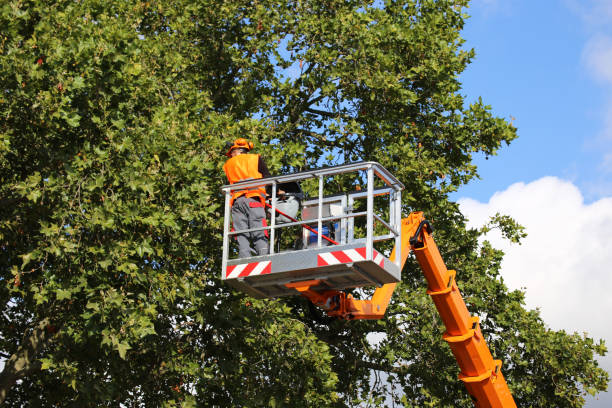
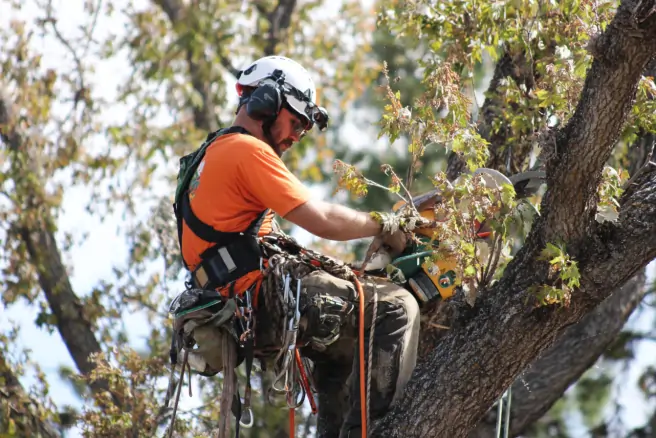
 A certified arborist is a trained professional specializing in the care, maintenance, and overall health of trees. They possess the knowledge, skills, and certifications necessary to assess trees’ health, identify potential risks, and implement appropriate pruning techniques that benefit both the tree and its surrounding environment. Understanding their role can help homeowners and property managers appreciate why hiring a certified arborist is crucial for responsible tree care.
Responsibilities of a Certified Arborist in Palm Bay, FL
- Tree Health Assessment: They evaluate the overall condition of trees by inspecting leaves, bark, branches, and root systems for signs of disease, pests, or stress.
- Pruning for Safety: Arborists remove dead or damaged branches to reduce hazards posed by falling limbs.
- Promoting Tree Growth: Through targeted pruning methods, they shape trees in ways that encourage healthy growth patterns while maintaining structural integrity.
- Pest and Disease Management: Identifying infestations or diseases early allows them to recommend treatments or preventive care.
- Emergency Tree Care: In cases where weather events cause significant damage to trees, certified arborists provide emergency response services such as limb removal or stabilization.
Essential Reasons to Hire a Certified Tree Pruning Service in Palm Bay FL
- Knowledge of Tree Biology
Every cut made during pruning impacts the tree’s health. Arborists understand how each species responds to pruning cuts—both immediately and over time—and use this knowledge to make informed decisions. - Proper Tools and Techniques
An arborist uses professional-grade equipment suited for specific tasks while adhering to industry standards (e.g., ANSI A300). This ensures precision cuts that minimize harm. - Safety Measures
Pruning large or hazardous trees often involves working at heights or near power lines—situations that require advanced training in safety protocols. - Long-Term Benefits
Trees pruned by certified professionals are more likely to thrive due to properly executed trimming practices that balance aesthetics with biological needs.
Understanding the Risks of Tree Removal Palm Bay FL
- Cutting too close to the trunk (flush cuts), which can hinder wound closure.
- Removing too much foliage at once (over-pruning), which stresses the tree.
- Spreading disease unintentionally through contaminated tools.
- Damaging nearby property due to falling branches or poor technique.
How Certification Reflects Expertise
To become certified by organizations like the International Society of Arboriculture (ISA), arborists must pass rigorous exams covering areas such as tree biology, soil science, pest management, pruning standards, and safety practices. Maintaining certification also requires ongoing education through workshops and seminars.
Table: Difference Between Hiring a Certified Arborist vs DIY Pruning
| Aspect | Certified Arborist | DIY Pruning |
| Knowledge Level | Extensive understanding of tree health | Limited; often based on guesswork |
| Tools Used | Industry-standard equipment | General household tools |
| Risk Level | Low – follows safety protocols | High – lack of expertise |
| Long-Term Benefits | Healthy growth ensured | Potential damage from errors |
Final Thoughts
Certified arborists play an essential role in maintaining safe, beautiful landscapes while promoting the health and longevity of your trees. Their knowledge extends beyond cutting branches; it encompasses an understanding of how each decision impacts a tree’s future growth. Investing in their expertise ensures proper care tailored specifically for your tree’s unique needs—providing peace of mind along with healthier greenery for years ahead.
Why You Should Hire a Tree Removal Company Palm Bay FL for Expert Tree Care
Proper tree pruning is not just about cutting branches; it’s a science and art that requires skill, knowledge, and experience. While some homeowners may consider pruning trees themselves, hiring a certified arborist is essential for ensuring the health, safety, and longevity of your trees. Below, we explore why working with a certified arborist is integral to effective tree pruning and how their expertise can benefit your property.
Expertise Backed by Certification
- Tree biology and anatomy: Understanding the growth patterns, structure, and needs of different tree species.
- Proper pruning techniques: Knowing how to prune without causing damage or stress to the tree.
- Health assessments: Identifying signs of disease, pest infestation, or structural issues that may not be apparent to an untrained eye.
- Safety protocols: Minimizing risks while working on trees near homes, power lines, or other structures.
Why Professional Pruning Matters
Michael’s Tree Service
1232 Dawn St NE, Palm Bay, FL 32905, Vereinigte Staaten
+13212947508
- Disease Prevention
They use precise cuts to remove dead or diseased branches while minimizing exposure to decay-causing fungi. - Enhanced Growth
Arborists carefully select which branches to remove in order to guide healthy growth patterns and improve canopy structure. - Aesthetic Value
Proper pruning enhances the natural shape and beauty of your trees without compromising their health. - Safety Assurance
Overhanging limbs or weak branches pose a risk during storms or high winds; professionals reduce these hazards effectively.
When DIY Falls Short
- Removing large branches or sections of the canopy
- Addressing structural defects like splits or cracks
- Managing mature trees near buildings or utility lines
- Diagnosing diseases or pests requiring specialized treatment
Attempting these tasks without proper training can lead to injuries, property damage, or irreparable harm to the tree itself.
Long-Term Benefits of Hiring an Arborist
| Benefit | Description |
| Improved Tree Health | Ensures proper wound healing while promoting longevity |
| Increased Property Value | Healthy, well-maintained trees enhance curb appeal |
| Reduced Liability | Lowers the risk of falling branches damaging people or property |
| Eco-Friendly Practices | Certified arborists prioritize sustainable practices in all pruning efforts |
Final Thoughts on Hiring Professionals
Hiring a certified arborist ensures that your tree receives expert care tailored specifically to its species, age, condition, and location. Their ability to combine scientific knowledge with hands-on experience makes them invaluable partners in protecting your landscape investment. As stewards of urban forestry and tree health management, they help maintain not only the safety but also the beauty of our natural environment—all while fostering healthier ecosystems for future generations.
Understanding the Role of a Certified Arborist in Proper Tree Care and Pruning
Certified arborists play a pivotal role in maintaining the health, safety, and aesthetics of trees. Their expertise ensures that tree pruning is carried out effectively, preserving the structure and vitality of trees while mitigating risks associated with improper techniques. Below is an exploration of how certified arborists contribute to proper tree care and pruning.
What Is a Certified Arborist?
A certified arborist is an individual trained in the science and art of planting, caring for, and maintaining trees. Certification often comes through organizations like the International Society of Arboriculture (ISA) after rigorous testing and adherence to industry standards. These professionals are equipped with knowledge about tree biology, pest management, soil health, pruning techniques, safety procedures, and more.
Key Responsibilities in Tree Care
- Inspect trees for signs of disease or structural weaknesses.
- Evaluate tree growth patterns to identify potential hazards such as overhanging branches or interference with power lines.
- Provide recommendations for tree maintenance based on species-specific requirements.
- Remove dead or diseased branches to prevent decay from spreading to healthy parts.
- Eliminate crossing branches that can rub together, causing wounds vulnerable to pests or infection.
- Trim hazardous limbs that pose risks to people or property.
- Enhancing Tree Structure
Proper pruning by certified arborists helps improve branch distribution and overall structure. This not only makes trees more aesthetically pleasing but also strengthens them against environmental stressors such as strong winds or heavy snow. - Disease Diagnosis and Management
Arborists are skilled at identifying early signs of diseases such as fungal infections or pest infestations. They implement appropriate treatments that can save a tree from further decline.
Why Pruning Requires Professional Expertise
Improper pruning techniques can cause significant harm to trees by:
– Weakening their structural integrity. – Removing too much foliage, which reduces photosynthesis capacity. – Creating large wounds that expose trees to disease or decay.
Certified arborists prevent these issues by adhering to established best practices like using sanitized tools to minimize infection risk, making precise cuts just outside branch collars for optimal healing, and timing pruning activities based on species-specific growth cycles.
The Benefits of Working with a Certified Arborist
| Benefit | Description |
| Enhanced Tree Longevity | Expert care promotes healthier growth patterns over time. |
| Increased Property Value | Well-maintained trees enhance curb appeal and overall property aesthetics. |
| Improved Safety | Mitigates risks from falling branches or improper growth near structures. |
| Knowledgeable Guidance | Access specialized advice tailored to your landscape’s unique needs. |
When Should You Call a Certified Arborist?
Some common scenarios where hiring an expert becomes essential include:
– Trees showing signs of stress (e.g., yellowing leaves or unexplained dieback).
– Large dead limbs hanging precariously over walkways or buildings.
– Overgrown branches interfering with utility lines or crowding other plants in your yard. – Visible cracks at major branch unions indicating potential structural failure.
By working with certified arborists who possess specialized skills in proper tree care techniques like pruning, you contribute not only to the health and beauty of your landscape but also ensure safety for your property’s surroundings—an investment worth making for long-term benefits both environmentally and aesthetically.
How to Identify When Your Trees Need Expert Pruning Services
Proper tree care requires timely attention, and knowing when to seek expert pruning services can significantly impact the health and longevity of your trees. While some signs are obvious, others require a closer look. Below is a guide to help you determine when it’s time to consult a certified arborist for professional pruning.
Visible Signs That Indicate Pruning Is Needed
- Dead or Dying Branches: Dead branches are a safety hazard, as they can fall without warning. Look for brittle, leafless branches that appear dry or grey.
- Overgrowth: If tree branches are growing too close to utility lines, structures, or other trees, they need trimming to prevent accidents and overcrowding.
- Crossing or Rubbing Branches: Branches rubbing against each other can cause wounds that make the tree vulnerable to pests and diseases.
- Broken or Damaged Branches: Storms, strong winds, or physical damage often lead to broken limbs that should be removed promptly.
- Excessive Canopy Density: A dense canopy can block sunlight and air circulation within the tree. Thinning out the canopy allows for better growth conditions.
Seasonal Indicators for Tree Pruning
| Season | Key Pruning Needs |
| Late Winter/Early Spring | Ideal time for structural pruning as trees are dormant |
| Summer | Correct overgrowth and remove hazardous limbs |
| Fall | Remove deadwood before winter storms |
Symptoms of Stress Requiring Expert Assessment
- Leaning Trees: A leaning tree might suggest structural imbalance requiring immediate evaluation.
- Pest Infestations: Presence of insects like borers or fungal growth points toward underlying issues needing expert intervention.
- Unhealthy Foliage: Yellowing leaves out of season or sparse growth may indicate stress that could be mitigated by proper pruning.
Why Call an Expert Instead of DIY?
- Safety First: Certified arborists are trained in using specialized equipment safely while working at heights.
- Expertise in Tree Health: They understand how much to prune without impairing growth.
- Prevention of Long-Term Issues: Improper cuts can leave trees vulnerable to pests and rot; experts avoid these pitfalls.
Benefits of Seeking Certified Arborist Services
- Promotes stronger structural integrity
- Enhances fruit production (for fruit-bearing species)
- Prevents costly damages due to falling branches
By recognizing these cues early on and seeking expert guidance as needed, you ensure your trees remain healthy, safe, and visually appealing throughout their lifespan.
Top Tips from Certified Arborists for Effective and Safe Tree Pruning
Tree pruning is an essential aspect of maintaining the health, safety, and aesthetic appeal of trees. However, improper pruning can lead to weak growth, disease, or even the decline of the tree. To ensure safe and effective pruning, certified arborists recommend specific strategies and techniques. Below are expert tips to guide you through the process.
Assess the Health and Structure of the Tree
Before making any cuts, it’s essential to evaluate the tree’s overall condition: – Inspect for dead or diseased branches: Removing these prevents further damage and encourages healthy growth. – Analyze structural integrity: Look for weak or crossing branches that may compromise stability. – Understand species-specific needs: Different trees have unique pruning requirements depending on their type, age, and growth patterns.
Use Proper Tools
Investing in quality tools ensures precision while minimizing damage to your tree: – Pruning shears: Ideal for small branches (up to 1 inch in diameter). – Loppers: Designed for medium-sized limbs (1–2 inches in diameter). – Pruning saws: Effective for larger branches exceeding 2 inches in diameter. – Pole pruners: Useful for reaching high branches without climbing.
Regularly sharpening and disinfecting your tools is essential to maintain efficiency and prevent the spread of diseases between trees.
Follow the “Three-Cut Method” for Larger Branches
Certified arborists often employ a three-cut method when removing heavy or large limbs to avoid bark tearing: 1. Make an initial cut on the underside of the branch about 6–12 inches from its base. 2. Create a second cut on top of the branch, slightly farther out than your first cut. This will remove most of its weight. 3. Complete a final cut just outside the branch collar (the swollen area where it attaches), ensuring proper wound closure.
Prune During Dormant Seasons
For most trees, late winter or early spring—before new growth emerges—is considered an ideal time for pruning: – Reduces stress on trees by limiting sap loss. – Prevents exposure to pests and pathogens that are more active during warmer months.
However, certain flowering species may require pruning immediately after they bloom.
Avoid Over-Pruning
Over-pruning can do more harm than good by weakening a tree’s structure or depleting its energy reserves. Certified arborists advise adhering to these general rules: – Remove no more than 25% of a tree’s canopy within one season. – Retain smaller lateral branches along major limbs to preserve balance.
Over-thinning can also expose inner leaves and bark to excessive sunlight, leading to sunscald damage.
Safety Precautions When Pruning Trees
Tree pruning can pose risks if not done carefully. Follow these safety guidelines: – Use personal protective equipment (PPE), such as gloves, safety goggles, helmets, and sturdy shoes. – Never prune near power lines unless you are trained in utility line clearance operations; contact professionals instead. – For tall trees or challenging areas requiring ladders or climbing gear, hiring certified arborists is highly recommended.
| Tool/Technique | Recommended Purpose | Key Benefit |
| Pruning Shears | Small branches | Precise cuts with minimal effort |
| Loppers | Medium-sized limbs | Greater leverage for thicker wood |
| Three-Cut Method | Removing large/heavy branches | Prevents tearing & promotes wound healing |
| Winter Pruning | Most deciduous trees | Minimizes stress & risk from pests/diseases |
Regularly consulting with certified arborists ensures you’re following best practices tailored specifically to your region’s climate conditions and native tree species. Their expertise provides invaluable guidance when managing complex pruning tasks while protecting long-term tree health.
The Benefits of Regularly Scheduled Tree Pruning for Healthier Trees
Regular tree pruning is a vital practice for maintaining the health, safety, and aesthetics of your trees. By understanding and implementing scheduled pruning sessions, you can address potential issues before they escalate into significant problems. Below is a comprehensive overview of the benefits associated with consistent tree pruning.
Enhances Tree Health
- Prevention of Disease Spread: Diseased branches can infect other parts of the tree. Timely removal helps maintain overall plant health.
- Improved Nutrient Distribution: Eliminating unnecessary or competing branches ensures that nutrients are directed toward healthy growth areas.
- Encouragement of New Growth: Pruning stimulates new growth by redirecting energy back into the most productive parts of the tree.
Increases Safety on Your Property
- Reduced Risk of Falling Branches: Removal of deadwood minimizes accidents caused by falling limbs.
- Clearance for Structures and Walkways: Pruning prevents branches from encroaching on buildings, power lines, or other common areas around your property.
Boosts Aesthetic Appeal
- Shaping and Size Management: Regular trimming allows you to guide the natural shape and size of your trees while avoiding an overgrown look.
- Increased Sunlight Penetration: Thinning out dense foliage allows more sunlight to filter through, promoting healthier grass and plants below the canopy.
- Improved Scenic Views: Strategic branch removal can open up sightlines without compromising privacy.
Promotes Long-Term Tree Longevity
| Pruning Technique | Benefit |
| Crown Thinning | Reduces wind resistance for storm resilience |
| Crown Raising | Improves clearance under trees |
| Crown Reduction | Minimizes stress by reducing size |
By addressing structural concerns early through proper techniques like those listed above, you extend the life expectancy of your trees.
Optimizes Fruit Production (For Fruit Trees)
- Removes unproductive shoots known as “suckers”
- Allows sunlight penetration critical for fruit development
- Ensures better air circulation around fruit-bearing branches
Recommended Frequency for Pruning
| Tree Type | Suggested Pruning Schedule |
| Deciduous Trees | Once every 1–3 years |
| Evergreen Trees | Every 3–5 years |
| Fruit Trees | Annually during dormant seasons |
Consulting with a certified arborist will ensure that your specific tree types are pruned at optimal intervals using appropriate methods.
Regularly scheduled tree pruning provides benefits far beyond appearances—it creates stronger trees that thrive longer while safeguarding your property’s value. As an integral part of proper maintenance practices, it fosters environments where trees flourish sustainably.
A Comprehensive Guide to the Science and Techniques of Tree Pruning
Tree pruning is more than just cutting off branches; it’s a science and an art that requires careful understanding of tree biology, growth patterns, and environmental factors. Proper pruning promotes healthy growth, enhances the structure of the tree, and prevents potential hazards. This guide explores the core principles and techniques behind effective tree pruning.
The Science of Tree Pruning
- Apical Dominance: Trees grow based on a hierarchy where the terminal (apical) bud suppresses lateral growth. Pruning can influence branching patterns by altering this dominance.
- Wound Response: When branches are removed, trees form protective tissues (callus) around wounds to prevent decay or disease.
- Seasonal Timing: Pruning during dormancy (late winter or early spring) minimizes stress on trees while optimizing regrowth in spring.
A thorough understanding of these principles ensures that any cuts made will aid the tree rather than hinder its development.
Essential Tree Pruning Techniques
- Purpose: To reduce density within the canopy for better light penetration and air circulation.
- How: Remove smaller branches evenly throughout the crown without altering its shape.
- Purpose: To provide clearance below a tree for pedestrians or vehicles.
- How: Remove lower branches while maintaining at least two-thirds of the overall crown height intact.
- Purpose: To decrease a tree’s size without compromising its structural integrity.
- How: Shorten larger branches back to lateral ones capable of sustaining new growth.
- Purpose: To eliminate dead or decaying branches that pose safety risks.
- How: Remove only dead material while leaving healthy tissue untouched.
Each technique requires precision to ensure proper healing and optimal outcomes for both short-term aesthetics and long-term health benefits.
Potential Tools Used in Tree Pruning
| Tool | Use Case | Example |
| Hand pruners | Small branches under 1 inch wide | Roses or shrubs |
| Loppers | Medium-sized limbs up to 2 inches wide | Fruit trees |
| Pole pruners | High branches unreachable from ground level | Tall shade trees |
| Pruning saws | Thicker limbs over 2 inches wide | Mature trees |
Sharp tools reduce unnecessary damage to bark or cambium layers during cuts.
Key Benefits of Scientific Pruning Practices
- Improved structural stability
- Reduced risk of disease transmission through clean cuts
- Enhanced airflow within canopies, reducing fungal issues
- Better access to sunlight for healthier foliage
- Extended lifespan through proactive care measures
Practical application of these principles ensures well-maintained trees that thrive across seasons while also adding aesthetic value to landscapes.
- Understanding Palm Bay Tree Service: The Role of Certified Arborists in Essential Tree Pruning
- What Does an Arborist in Palm Bay FL Do and Why Should You Hire One for Tree Pruning
- How a Tree Removal Company Palm Bay FL Can Help Maintain and Enhance Tree Health
- Key Differences Between an Arborist and a Tree Removal Company Palm Bay FL
- Tips from Palm Bay Tree Service on Identifying When Your Tree Needs Immediate Pruning
- How to Find the Best Tree Removal Company Palm Bay FL for Your Needs
- Reasons to Hire an Arborist in Palm Bay FL for Healthier Tree Growth